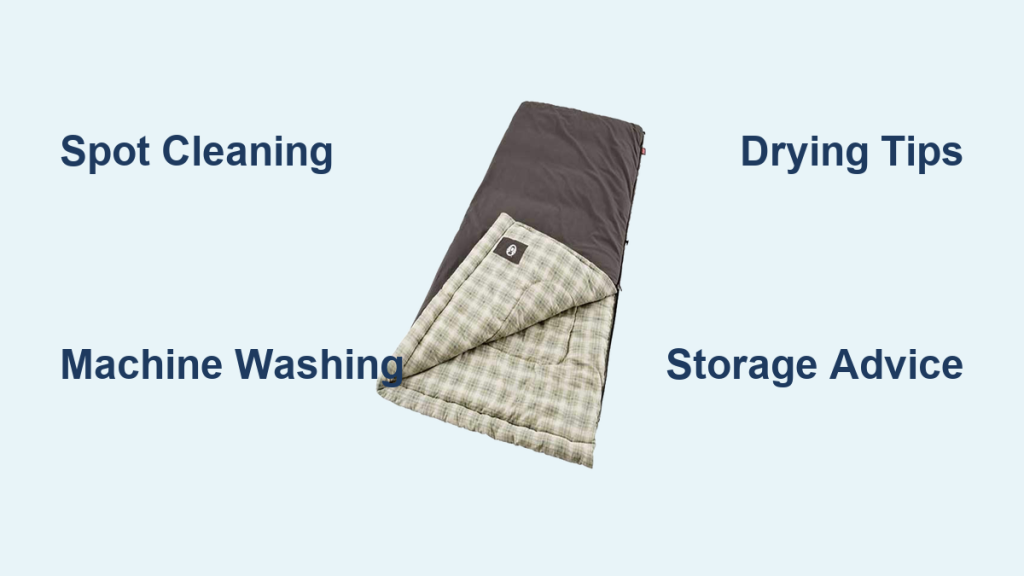
Are you dreading the thought of cleaning your Coleman sleeping bag? It’s a common problem – after a camping trip, they can be dirty, smelly, and feel less cozy. But don’t worry, a thorough cleaning can restore your bag to its former glory! This guide will walk you through everything from a quick refresh to a deep clean, ensuring your Coleman sleeping bag remains a comfortable haven for years to come.
Cleaning a sleeping bag can seem daunting, but it’s absolutely essential for maintaining its insulation and extending its lifespan. This comprehensive guide will cover everything you need to know, including spot cleaning, machine washing, drying, and long-term storage. We’ll address different types of Coleman sleeping bags and provide tailored advice to tackle even the toughest dirt and odors, guaranteeing a fresh and inviting sleeping experience every time you head outdoors.
Understanding Your Coleman Sleeping Bag
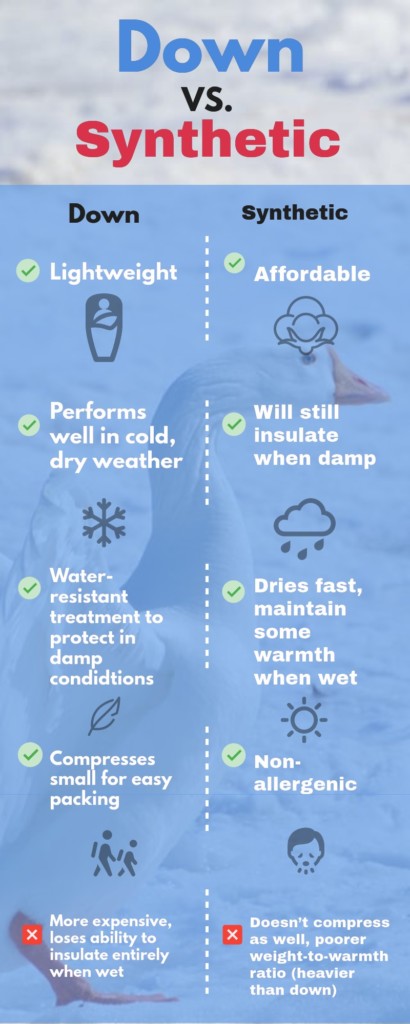
Before diving into the cleaning process, it’s crucial to understand your sleeping bag’s construction. Coleman sleeping bags come in a variety of fills, each requiring specific care:
- Synthetic Fill: Typically made of polyester fibers, these bags are more durable and easier to clean than down. They retain some warmth even when wet.
- Down Fill: Composed of goose or duck feathers, down bags offer superior warmth-to-weight ratio but require more delicate handling.
- Fabric Shell: Most Coleman bags use polyester or nylon. Check the care label for specific fabric instructions.
Important: Always check the care label on your sleeping bag for the manufacturer’s recommendations. These instructions take precedence over the general guidelines provided here.
Quick Refresh: Spot Cleaning & Deodorizing
For minor dirt or odors, spot cleaning is often sufficient.
Spot Cleaning for Small Stains
- Prepare a Solution: Mix a small amount of mild detergent (specifically designed for delicate fabrics like Nikwax Tech Wash) with lukewarm water.
- Apply Gently: Dip a clean cloth into the solution and gently blot the stain. Avoid rubbing vigorously, as this can damage the fabric.
- Rinse: Use a clean, damp cloth to rinse away any detergent residue.
- Air Dry: Allow the area to air dry completely.
Deodorizing Your Sleeping Bag
- Air it Out: The simplest solution! Hang your sleeping bag outdoors in a shaded, well-ventilated area for several hours.
- Baking Soda: Sprinkle a generous amount of baking soda inside the bag, let it sit overnight, and then vacuum it out thoroughly.
- Sleeping Bag Specific Deodorizers: Products like Gear Aid Revivex Odor Eliminator are designed to neutralize odors without damaging the material.
Deep Cleaning: Machine Washing Your Coleman Sleeping Bag
For a thorough cleaning, machine washing is often the best option, but only if the care label permits it.
Preparing Your Sleeping Bag for Washing
- Empty All Pockets: Remove any items left in the bag.
- Close Zippers and Fastenings: Secure all zippers, Velcro straps, and other closures to prevent damage during washing.
- Turn Inside Out: This protects the outer shell fabric.
- Use a Laundry Bag: Place the sleeping bag inside a large mesh laundry bag to further protect it.
Washing Machine Settings & Detergent
- Use a Front-Loading Washer: Top-loading washers with agitators can damage the bag.
- Gentle Cycle: Select the gentlest cycle available on your washing machine.
- Cold Water: Always use cold water to prevent shrinking or damage to the fill.
- Detergent: Use a small amount (about 2 tablespoons) of detergent specifically designed for down or synthetic sleeping bags (Nikwax Down Wash Direct or similar). Avoid using powdered detergents or fabric softeners.
Washing Multiple Bags
Avoid washing multiple sleeping bags together, as this can reduce washing effectiveness and cause damage.
Drying Your Coleman Sleeping Bag

Drying is arguably the most crucial step. Improper drying can ruin your sleeping bag.
Tumble Drying (If Allowed)
- Low Heat: If the care label allows tumble drying, use the lowest heat setting. High heat can melt synthetic fibers or damage down.
- Tennis Balls: Add 2-3 clean tennis balls to the dryer. These help to fluff the fill and prevent clumping.
- Multiple Cycles: Expect several cycles to completely dry the bag. Check frequently and remove when completely dry.
Air Drying
- Hang in a Shaded Area: Avoid direct sunlight, which can fade the fabric.
- Ensure Good Ventilation: Hang the bag in a well-ventilated area to promote even drying.
- Turn Regularly: Flip and fluff the bag periodically to prevent clumping.
- Patience is Key: Air drying can take several days, depending on humidity and temperature.
Important: Never store a damp sleeping bag. This can lead to mildew and permanent damage.
Long-Term Storage

Proper storage is essential for maintaining your sleeping bag’s loft and lifespan.
Storage Guidelines
- Clean and Dry: Ensure the bag is completely clean and dry before storing.
- Loose Storage: Store the bag loosely in a large storage sack or hanging in a closet. Avoid compressing it for extended periods, as this can damage the fill.
- Breathable Storage Sack: Use a breathable storage sack made of cotton or mesh.
- Avoid Direct Sunlight: Store the bag in a cool, dry, and dark place.
Pro Tips for Coleman Sleeping Bag Care
- Use a Sleeping Bag Liner: A liner adds an extra layer of comfort, reduces dirt buildup, and makes cleaning less frequent.
- Repair Tears Promptly: Small tears can quickly become larger. Repair them with a sleeping bag repair kit.
- Avoid Harsh Chemicals: Never use bleach, strong detergents, or fabric softeners.
- Regularly Fluff: Fluff your sleeping bag after each use to maintain its loft.
- Consider Professional Cleaning: For expensive down bags, professional cleaning is recommended.
Professional Help
If you’re unsure about cleaning your sleeping bag, or if it’s heavily soiled or damaged, consider taking it to a professional outdoor gear cleaning service. They have specialized equipment and expertise to handle delicate materials.
FAQ
Q: Can I use my home washing machine?
A: Yes, if the care label allows it and you have a front-loading washer. Follow the guidelines for detergent, cycle, and temperature.
Q: How long does it take to dry a sleeping bag?
A: Drying time varies depending on the drying method and environmental conditions. Tumble drying can take several cycles, while air drying can take several days.
Q: What if my sleeping bag still smells after washing?
A: Repeat the deodorizing process with baking soda or a sleeping bag-specific odor eliminator. Ensure the bag is completely dry.
Q: Can I iron my sleeping bag?
A: No, ironing can damage the fabric and fill.
Alternative Solutions
If you’re hesitant to machine wash your sleeping bag, consider a hand wash in a large tub. This offers more control but is more labor-intensive. Alternatively, local outdoor retailers often offer professional cleaning services.
| Solution | Pros | Cons | Best For |
|---|---|---|---|
| Machine Wash | Quick, efficient | Risk of damage | Synthetic fill bags |
| Hand Wash | Gentle, controlled | Time-consuming | Down fill bags, delicate fabrics |
| Professional Cleaning | Safe, thorough | Expensive | High-end down bags |
Keep Your Coleman Sleeping Bag Running Smoothly
By following these steps, you can keep your Coleman sleeping bag clean, fresh, and ready for your next adventure. Regular cleaning and proper storage will significantly extend its lifespan, ensuring years of comfortable nights under the stars.
Did this guide help you clean your Coleman sleeping bag? Share your experience and any tips you have in the comments below!