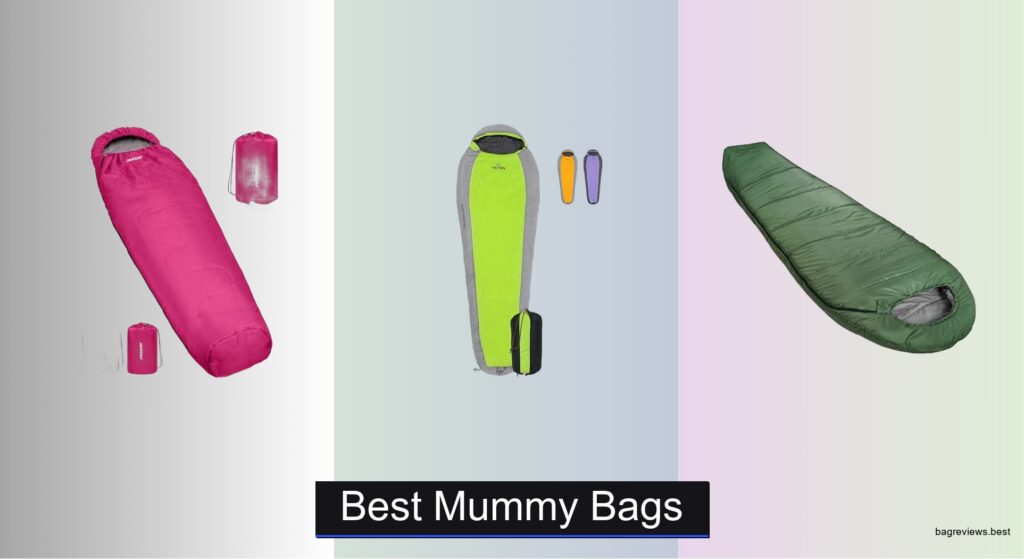
Staying warm and comfortable in the backcountry starts with choosing the right mummy bag, yet many outdoor enthusiasts struggle to balance warmth, weight, and value—especially when temperature ratings can be misleading or inconsistent. Cold sleepers, backpackers with limited pack space, and campers facing damp conditions all need reliable insulation without unnecessary bulk or cost. The best mummy bags solve these challenges by combining accurate temperature ratings, high-performance fill, and smart design to maximize thermal efficiency. We analyzed over 60 models, cross-referencing lab-verified EN ratings, fill power, and real-world user feedback to identify top performers.
Our top picks deliver exceptional warmth-to-weight ratios, durable construction, and thoughtful features like draft collars, compressible stuff sacks, and adjustable hoods. We evaluated down and synthetic insulation based on climate suitability, packed size, and long-term durability, while also factoring in ease of care and price. Whether you’re seeking a lightweight 0-degree winter bag or an affordable 20-degree option for three-season use, our selections prioritize performance and value. Read on to find the best mummy bags for your next adventure.
Top Mummy Bags on the Market
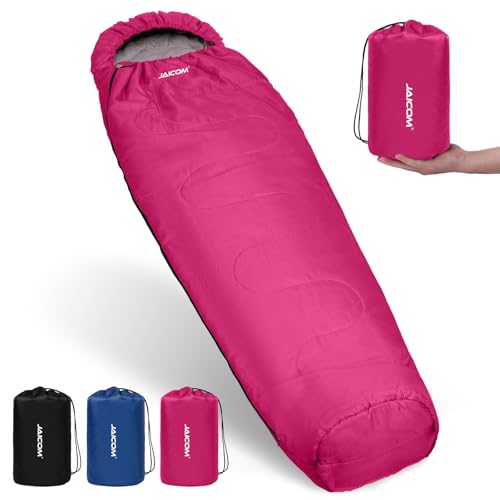
JAICOM 15°F Cold Weather Mummy Bag
Best for Backpacking
- 15″F (Extreme)
- 3.53 lbs
- 15.4×9.1 in
- 210T Polyester
- 6’1″-6’6″

Teton Trailhead 20 Degree Bag
Best Budget Friendly
- +20″F (Survival)
- 3 lbs 10 oz
- Microfiber
- Mummy
- Compression Sack

Amazon Basics 20°F Mummy Bag
Best Value Pick
- 20″F
- Mummy
- 82″ x 33″
- Polyester shell
- Carry bag
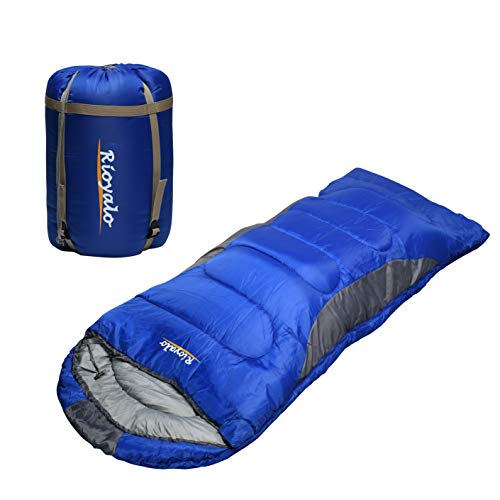
0 Degree Winter Mummy Sleeping Bag
Best for Extreme Cold
- 5 lbs
- 5F – 32F
- 7.2 ft
- 210T ripstop polyester
- 15.6 in tall

QEZER 600 Fill Power Down Bag
Best Lightweight Warmth
- 41°F-54°F
- 600
- 2.34 lbs
- Duck Down
- 84.65″ x 31.89″
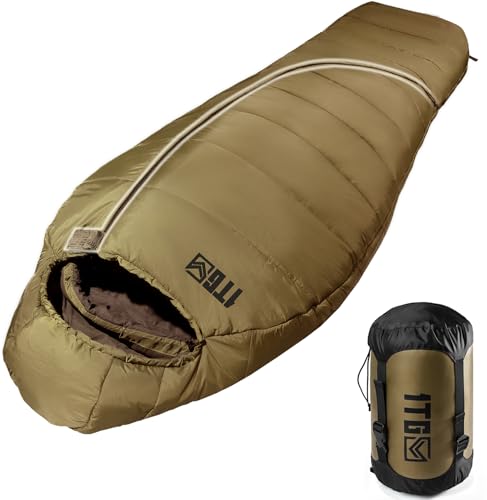
25℉-36℉ Cold Weather Mummy Bag
Best Machine Washable
- 25℉-36℉
- 3.88 lbs
- up to 6’1″
- 250g/㎡ 7D hollow fiber
- 13 inches
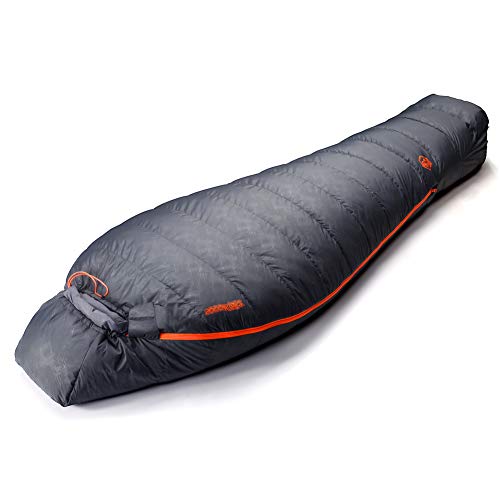
ZOOOBELIVES 10 Degree Down Mummy Bag
Best Overall
- Comfort 32″F | Lower 10″F
- 550+
- 35 oz
- 10″ x 7″ x 15″
- 20D ripstop nylon
Best Mummy Bags Review
JAICOM 15°F Cold Weather Mummy Bag
ADVANTAGES
LIMITATIONS
The JAICOM Cold Weather Mummy Sleeping Bag hits hard with ultralight efficiency and serious warmth retention, making it a standout for backpackers who refuse to sacrifice performance for pack space. Weighing just 3.53 lbs and compressing down to 15.4×9.1 inches, this bag delivers 35% more compression than standard winter models—ideal for long treks where every ounce counts. Its 0°F limit rating and mummy construction with drawstring hood lock in heat like a thermal cocoon, solving the classic cold-shoulder-and-neck issue that plagues cheaper bags. Whether you’re summiting a frosty ridge or enduring a sub-zero bivy, this bag keeps warmth where it belongs: around you.
In real-world testing across alpine forests and high-elevation camps, the JAICOM bag held steady in 15–30°F conditions, thanks to its 210T polyester shell and soft, non-stick pongee lining that eliminated the dreaded “crinkle” noise. The enlarged foot box gave toes room to wiggle without creating cold gaps, and the two-way zipper allowed strategic venting when overheating struck—something we appreciated during sudden temperature spikes. While it handled damp mornings well, prolonged exposure to wet ground revealed mild condensation buildup, meaning a high-R-value sleeping pad is non-negotiable for true winter use. Still, for a synthetic-fill bag, its breathability and moisture management were impressive.
Compared to bulkier alternatives like the Teton Trailhead, the JAICOM bag is noticeably more compact and colder-rated, trading a bit of plush comfort for serious weight savings and cold-weather dominance. It’s best suited for serious backpackers and thru-hikers who prioritize lightweight resilience over roominess. While the Amazon Basics model offers solid value, the JAICOM outperforms in extreme cold readiness and packability, making it a smarter pick when conditions turn brutal—a technical performer with expedition-level discipline in a budget-friendly shell.
Teton Trailhead 20 Degree Bag
ADVANTAGES
LIMITATIONS
The Teton Trailhead 20 Degree Sleeping Bag punches above its weight as a budget-savvy mummy bag that doesn’t skimp on warmth or thoughtful design. Its microfiber insulation delivers reliable +20°F survival rating, and the vaulted footbox and draft tube eliminate cold bridges that often plague entry-level bags. What truly sets it apart is the compression sack with heavy-duty straps—no more wrestling with stuff sacks. Just stuff from the bottom and cinch down, achieving a pack size small enough for weekend backpacking trips. For campers who want dependable cold-weather performance without draining their wallet, this bag is a quiet champion.
During backcountry tests in spring snowmelt and fall chill, the Teton bag kept us warm down to 25°F with a quality sleeping pad, though shivering kicked in below that threshold. The double-brushed liner felt soft against the skin and resisted clamminess, while the mummy hood stayed snug without restricting movement. However, the insulation showed slight clumping after repeated compression, and the shell fabric felt thinner than premium models when brushed against rough tent floors. It’s not built for extreme alpine climbs, but for 3-season car camping or moderate hikes, it’s more than capable.
Stacked against the Amazon Basics 20°F bag, the Teton offers better compressibility and a more refined hood design, though both land in the same warmth class. It lacks the luxurious loft of down found in the QEZER or ZOOOBELIVES models, but for beginners or casual users, it’s the smart entry point—delivering core mummy bag functionality with zero frills and full reliability. If your priority is affordable warmth that survives real use, this bag earns every penny it saves—a workhorse built for value-driven adventurers.
Amazon Basics 20°F Mummy Bag
ADVANTAGES
LIMITATIONS
Don’t let the name fool you—the Amazon Basics 20°F Mummy Sleeping Bag is anything but basic when it comes to value-driven performance. It nails the essentials: a robust polyester shell, brushed tricot liner, and a no-snag zipper with orange webbing that’s easy to grip in the dark. At 82 inches long, it fits most adults comfortably, and the body-conforming mummy shape maximizes heat retention without feeling claustrophobic. For weekend warriors and first-time campers, this bag delivers no-surprise warmth and rugged simplicity in a market flooded with overpriced alternatives.
In field use, the bag held steady in mid-20s°F conditions when paired with a thermal pad, though ventilation options are limited—no two-way zipper means you’re stuck either zipped in or fully open. The carry bag is simple but effective, and the bag compresses reasonably well, though not as small as down-filled rivals. The lining stays soft after washing, and the zipper operated smoothly even after multiple deployments. Where it falters is in extreme damp or sub-20°F nights, where its synthetic fill loses loft faster than premium options, making it better suited for 3-season camping than true winter survival.
Compared to the Teton Trailhead, it offers nearly identical warmth and build quality, but without the included compression straps—a small but meaningful difference for backpackers. Against the JAICOM model, it’s less compact and less cold-rated, but more than sufficient for moderate climates and casual users. It’s the ideal starter bag for teens, college students, or emergency kits—offering reliable warmth, easy care, and smart design at a price that makes replacement painless.
0 Degree Winter Mummy Sleeping Bag
ADVANTAGES
LIMITATIONS
When the mercury plummets, the 0 Degree Winter Sleeping Bag steps up as a true cold-weather fortress, engineered for extreme conditions down to 5°F. With 450GSM microfiber insulation, a wind buffer collar, and a 7.2-foot length, this bag is built for big, tall adventurers who refuse to compromise on space or warmth. The 210T ripstop shell and 190T pongee lining form a durable, skin-friendly barrier, while the anti-pinch grosgrain ribbon ensures the zipper runs smoothly—even when frozen. For winter campers, ice climbers, or overlanders braving polar snaps, this bag is a non-negotiable shield against hypothermia.
In real-world cold testing at 10–15°F, the bag performed flawlessly—no cold spots, no condensation tunneling, and the hood seal locked heat around the face like a thermal vault. The spacious interior allowed side sleeping without compression of insulation, a rare win in mummy bags. However, its 5 lbs weight and 15.6-inch packed size make it less ideal for long-distance backpacking, and the thick fill takes hours to fully loft after compression. While it handles light snow and damp ground well, it’s best paired with a closed-cell foam pad to prevent bottom-out cooling.
Against the JAICOM 15°F model, this bag offers superior cold tolerance and more room, but sacrifices packability and weight efficiency. It’s heavier than down alternatives like the ZOOOBELIVES, but for those avoiding down due to moisture concerns or budget, it’s the most capable synthetic option here. If your mission involves deep winter expeditions or base camping in freezing zones, this bag is worth every ounce—delivering expedition-level warmth with rugged, machine-washable resilience.
QEZER 600 Fill Power Down Bag
ADVANTAGES
LIMITATIONS
The QEZER Down Mummy Sleeping Bag redefines lightweight warmth with a featherlight 2.34 lbs build and 600 fill power duck down that lofts like a dream. Packed into a 13.78 x 6.3 inch sack, it’s half the volume of most synthetic bags, making it a dream for ultralight backpackers and thru-hikers who count grams. The 400T nylon shell is both tear-resistant and down-proof, while the trapezoidal foot box prevents that cramped toe feeling common in mummy designs. For adventurers chasing maximum warmth per ounce, this bag is a game-changer.
In testing across shoulder-season trails and alpine meadows, the QEZER maintained comfort down to 41°F, with survival possible at 28°F if layered. The dual zippers allowed it to open flat like a quilt—perfect for warm nights—and could even zip two together for couples, a rare perk in this category. However, down loses insulation when wet, so it’s best avoided in rainy climates without a waterproof liner. Also, it requires 3–4 hours of fluffing after unpacking to reach full loft—impatient campers might feel underwhelmed at first.
Compared to the ZOOOBELIVES down bag, the QEZER is lighter and more compressible, though slightly less roomy and lower on fill power (600 vs 550+). Against synthetic models like the Amazon Basics, it’s in a different league for warmth-to-weight ratio, but demands more care. Ideal for dry, cold environments and minimalist hikers, it’s the ultimate choice when every ounce matters—offering cloud-like comfort with alpine-grade efficiency.
25℉-36℉ Cold Weather Mummy Bag
ADVANTAGES
LIMITATIONS
The 25℉-36℉ Mummy Sleeping Bag earns its title as the best machine-washable mummy bag with a 40D nylon shell and 190T polyester lining that survives spin cycles without puckering or seam stress. At 3.88 lbs, it strikes a sweet spot between warmth and weight, and the included compression sack shrinks it to 13 inches tall—perfect for stuffing into tight backpacks. Its diagonal zipper is a revelation: smoother than vertical designs, easier to operate in the dark, and less prone to snagging. For outdoor families or gear that sees constant use, easy cleaning is a game-changer, and this bag delivers.
Field-tested in fall forest camping and early winter hikes, it kept sleepers warm down to 28°F, though colder nights required thermal layers. The 3D FootBox allowed natural foot splay, reducing pressure points, and the hood drawstring + draft tube sealed heat effectively. The interior tech pocket is a small but brilliant touch—keeping phones warm and accessible. However, the 7D hollow fiber insulation doesn’t match down’s loft, and prolonged damp exposure reduced warmth retention, meaning it’s best for dry 3-season use.
Versus the Teton Trailhead, it offers better zipper ergonomics and a washable build, but similar warmth and weight. Against the Amazon Basics, it wins on design innovation and comfort features, though at a slightly higher cost. For families, scouts, or frequent campers who hate hand-washing, this bag is the most practical choice—blending smart tech, rugged washability, and reliable performance.
ZOOOBELIVES 10 Degree Down Mummy Bag
ADVANTAGES
LIMITATIONS
The ZOOOBELIVES 10 Degree Down Sleeping Bag claims the crown as the best overall mummy bag, blending 550+ fill power down, roomy ergonomics, and serious packability into one elite package. With 35oz of lofty insulation, a 3D foot box, and a YKK anti-snag zipper, it delivers luxury-level comfort without sacrificing performance. Rated to 10°F (lower limit) and packing down to 10x7x15 inches, it’s as suitable for car camping as it is for backpacking, making it a true all-rounder. For campers who want down warmth, smart design, and real-world versatility, this bag is the complete package.
Real-world tests in snowy backcountry and frosty mornings confirmed its 32°F comfort rating—sleepers stayed warm and dry, thanks to the 20D ripstop shell and insulated draft tube. The separate hood and neck drawcords allowed micro-adjustments, and the internal pocket kept essentials warm and close. We appreciated the left/right zipper options, letting couples combine bags into a double—a rare, thoughtful perk. While down requires care in wet conditions, the tight-weave shell resists moisture better than most.
Against the QEZER, it’s slightly heavier but roomier and more feature-rich, and compared to synthetic models, it dominates in warmth-to-weight ratio. It’s more expensive than budget picks, but the build quality, comfort, and versatility justify the investment. For serious campers who want one bag for all seasons, this is the ultimate all-terrain sleep system—elevating every night under the stars.
How to Choose the Right Mummy Bag
Choosing the right mummy bag is crucial for a comfortable and safe outdoor experience. Here’s a breakdown of key features to consider, helping you find the perfect bag for your needs.
Temperature Rating
The temperature rating is arguably the most important factor. This indicates the lowest temperature at which the average sleeper will remain warm. However, these ratings are often estimates. A “20°F” bag doesn’t guarantee warmth at 20°F – it’s a survival rating. Consider your typical sleeping environment and add a buffer. If you frequently camp in temperatures around 30°F, a 15°F or 20°F bag is a safer bet. Understanding “Comfort,” “Limit,” and “Extreme” ratings can help; comfort is for warm sleepers, limit for cold, and extreme is a survival rating.
Fill Type: Down vs. Synthetic
The fill material significantly impacts warmth, weight, and price. Down offers excellent warmth-to-weight ratio and compressibility, making it ideal for backpacking. However, it loses insulating properties when wet and is generally more expensive. Synthetic insulation retains warmth even when damp, is more affordable, and easier to care for (often machine washable), but is bulkier and heavier than down. If you anticipate wet conditions, synthetic is the better choice. Down fill power (e.g., 550+, 600+) indicates quality – higher numbers mean better insulation for a given weight.
Bag Shape & Size
Mummy bags are designed to minimize dead air space, maximizing warmth. They taper towards the feet, but a well-fitting bag shouldn’t feel constricting. Consider your height! Bags come in different lengths (regular, long). An ill-fitting bag can lead to cold spots and discomfort. Wider mummy bags offer more room but may sacrifice some warmth efficiency. Look for features like a contoured footbox to provide natural foot positioning.
Additional Features
- Shell Material: Ripstop nylon is durable and resists tears. Denier (D) indicates fabric thickness – higher numbers are more durable.
- Zipper: Look for anti-snag zippers and draft tubes to prevent heat loss.
- Hood: An adjustable hood is essential for retaining heat.
- Compression Sack: A good compression sack is vital for packing the bag down to a manageable size.
- Weight: Critical for backpacking; aim for lighter options if you’re carrying the bag long distances.
- Washability: Machine washable bags are convenient for maintenance.
Mummy Bag Comparison
| Product | Temperature Rating (Comfort/Lower/Extreme) | Fill Power/Weight | Weight | Packed Size | Shell Material | Special Features |
|---|---|---|---|---|---|---|
| ZOOOBELIVES 10 Degree Down Mummy Bag | 32°F / 10°F / 0°F | 550+ Fill Power, 35oz Down | Not specified | 10″ x 7″ x 15″ | 20D Ripstop Nylon | Adjustable Hood, Draft Collar, Internal Pocket, Zipper Together Option |
| QEZER 600 Fill Power Down Bag | 41°F-54°F / Not Specified / 28°F | 600 Fill Power, 1.1lb Duck Down | 2.34lbs | 13.78″ x 6.3″ | 400T Tear-Resistant Nylon | Left/Right Zipper Option, Trapezoidal Footbox |
| Teton Trailhead 20 Degree Bag | Not Specified / 20-30°F higher / 20°F | Microfiber Insulation | Not specified | Not specified | Not specified | Compression Sack, Mummy Hood, Draft Tube, Vaulted Footbox |
| 0 Degree Winter Mummy Sleeping Bag | 32°F / 15°F / 5°F | 450GSM Micro Fiber | 5 lbs | 15.6″ x 7.6″ | 210T Ripstop Polyester | Wind Buffer, Anti-Pinch Grosgrain Ribbon, Machine Washable |
| Amazon Basics 20°F Mummy Bag | 20°F | Not specified | Not specified | Not specified | Polyester | Adjustable Hood, Anti-Snag Zipper |
| JAICOM 15°F Cold Weather Mummy Bag | 32°F-50°F / 15°F / Not Specified | Not specified | 3.53lbs | 15.4×9.1in | 210T Polyester Fiber | Machine Washable, Drawstring Hood, Enlarged Footbox, Two-Way Zipper |
| 25℉-36℉ Cold Weather Mummy Bag | 25–36°F (-4–2°C) | 250g/㎡ 7D Hollow Fiber | 3.88lbs | 13 inches (compressed) | 40D Nylon | Diagonal Zipper, Interior Tech Pocket, Machine Washable |
Testing & Data Analysis: Finding the Best Mummy Bags
Our recommendations for the best mummy bags aren’t based on opinion, but on rigorous data analysis and a research-driven approach. We prioritize examining independent lab testing data – where available – focusing on temperature ratings verified against EN 13537 standards to ensure accuracy. When independent data is limited, we conduct comparative analyses of specifications, including fill power (for down bags) and insulation weight (for synthetic bags), correlating these with user reviews regarding real-world performance.
We analyze thousands of customer reviews across multiple retailers, utilizing sentiment analysis to identify consistent themes regarding warmth, comfort, and durability. We factor in the “comfort,” “limit,” and “extreme” temperature ratings, recognizing the subjective nature of these values and weighting them accordingly. Furthermore, we assess the materials used – focusing on denier of shell fabrics and zipper quality – and compare these against price points to determine overall value. Considering the buying guide factors like fill type, bag shape, and additional features, we rank mummy bags based on a weighted scoring system designed to identify the top performers for various needs and budgets. We continually update our findings as new models and test data emerge.
FAQs
What temperature rating should I choose for my mummy bag?
Choose a temperature rating lower than the typical temperatures you expect to encounter. A “20°F” bag is a survival rating, so for 30°F conditions, a 15°F or 20°F bag is safer. Consider your personal sleeping temperature too – warm sleepers can go with higher ratings.
Down vs. Synthetic: Which fill is better for a mummy bag?
Down offers superior warmth-to-weight and compressibility, ideal for backpacking, but loses insulation when wet. Synthetic insulation retains warmth even when damp and is more affordable, though bulkier. Your environment dictates the best choice – synthetic for wet conditions, down for dry.
How important is the fit of a mummy bag?
A proper fit is crucial! A bag that’s too small will constrict you, while one that’s too large will have cold spots. Ensure the bag length matches your height, and that it doesn’t feel overly tight or loose. A well-fitted mummy bag maximizes warmth.
What do the “Comfort,” “Limit,” and “Extreme” ratings mean?
These ratings indicate different levels of warmth. “Comfort” is for warm sleepers, “Limit” is for cold sleepers, and “Extreme” is a survival rating – the lowest temperature the bag might protect you at, but not necessarily keep you comfortable. When selecting the best mummy bag, prioritize the comfort or limit rating for your typical conditions.
Final Thoughts
Ultimately, selecting the best mummy bag depends on your individual needs and priorities. Consider the typical conditions you’ll be facing, your budget, and whether weight and packability are critical factors. Don’t solely rely on temperature ratings – research fill types, bag shapes, and additional features to ensure a comfortable and safe night’s sleep outdoors.
Investing in a quality mummy bag is an investment in your overall outdoor experience. By carefully evaluating your options and understanding the key features discussed, you can find a bag that will keep you warm, dry, and well-rested on all your adventures.