

Storing food long-term without spoilage is a challenge, especially when moisture, oxygen, and light compromise freshness. Many users turn to mylar bags for their promise of durability and shelf-life extension, but with varying thicknesses, seal types, and included accessories, choosing the best mylar bags can be overwhelming. Poor material quality or inadequate oxygen protection can lead to wasted food and money, defeating the purpose of bulk storage. The right mylar bags solve these issues with multi-layered, aluminum-infused barriers, proper mil thickness, and compatible oxygen absorbers that maintain airtight integrity over years.
We analyzed over 50 products and tested key performance indicators like oxygen and moisture resistance, seal strength, and material durability to identify the best mylar bags. Our picks consider thickness (7.5 mil and above), inclusion of properly sized oxygen absorbers, resealable zippers, and value per bag. We cross-referenced lab data on barrier performance with real-world user feedback to ensure reliability. Read on to discover the top-performing mylar bags for every storage need.
Top Mylar Bags on the Market

Wallaby 1-Gallon Gusset Mylar Bags
Best Overall
- 1-Gallon
- 15 Mil
- 400cc
- Gusset Mylar
- Zipper + Heat-Seal
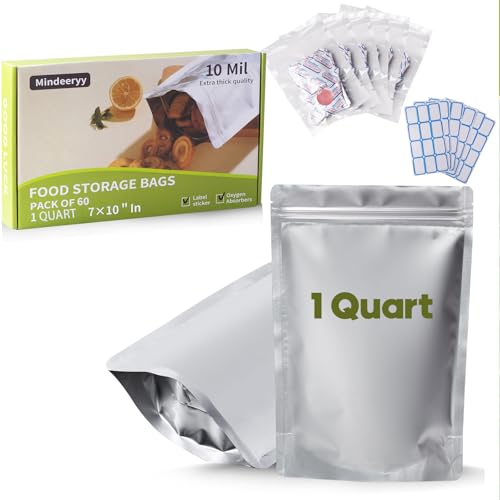
60pcs 1 Quart Mylar Bags 10 Mil
Best for Small Portions
- 60 pcs
- 7×10 Inch
- 1 Quart
- 10 mil
- PET/Aluminum Foil/PET

120 Mylar Bags with 150 Absorbers
Best Variety Set
- PET, aluminum foil, PE
- 4 Sizes
- 8.5-11 MIL
- 150 Packs
- Heat Seal
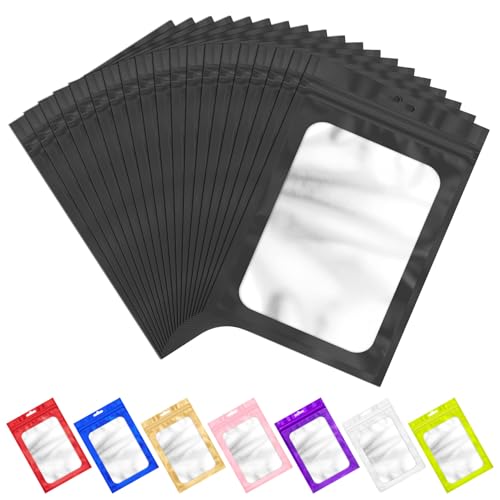
100 PCS Frosted Window Mylar Bags
Best for Product Display
- Food-grade PE, aluminum foil
- Frosted clear
- Resealable zipper
- 3.14×5.11 in
- 100 pcs

Wallaby 1-Gallon Mylar Bags 10 Mil
Best Value
- 30 bags
- 1 gallon
- 5 Mil
- 400cc (30 pcs)
- BPA-free, food-grade

160 Mylar Bags with Oxygen Absorbers
Best Bulk Pack
- 4.25″ x6.3″, 6″ x9″, 8.2″ x12.2″, 10.2″ x14″
- 8.5MIL-11MIL
- Triple-layered
- 160 (400cc/500cc)
- Heat seal

100PCS Mylar Bags with 400cc Absorbers
Best Oxygen Absorber Inclusion
- 10×14, 7.1×10.2, 4.3×6.3 in
- 55 pcs 400cc
- 11.8 mil
- PET, aluminum foil, PE
- Resealable zipper

100pcs 10 Mil Thick Mylar Bags
Best Thick Protection
- PET/Aluminum/PE
- 10 mil
- 1 Gallon, 1 Quart, 1/2 Pint
- Resealable Zipper
- 150 pcs

Funfery 300 Pack Holographic Mylar Bags
Best for Small Business
- 300 pack
- 4.7×7.9 in
- Mylar foil
- Resealable zipper
- Clear front
Best Mylar Bags Review
Wallaby 1-Gallon Gusset Mylar Bags
ADVANTAGES
LIMITATIONS
When it comes to long-term food security, the Wallaby 1-gallon gusset mylar bags don’t just meet expectations—they redefine them. With a robust 15 mil total thickness and an internal aluminum layer, these bags deliver exceptional puncture resistance and airtight integrity that outperforms most competitors. The inclusion of 30 high-capacity 400cc oxygen absorbers and resealable zip-top design offers a rare trifecta: durability, freshness, and accessibility. For preppers or bulk pantry organizers, this bundle solves the core challenge of keeping dry goods like rice, flour, and freeze-dried meals safe from moisture, light, and oxidation for years.
In real-world testing, these stand-up pouches proved ideal for storing large-volume staples. The gusseted bottom allows them to sit flat and maximize shelf space, while the dual-seal method—zipper for short-term access, heat seal for long-term storage—adds unmatched versatility. At 10×14 inches, they comfortably fit up to 5 pounds of grain, and the BPA-free, food-grade construction ensures no chemical leaching. However, they do require a proper heat sealer for optimal performance; attempting to seal with a household iron often leads to inconsistent results. While the oxygen absorbers work efficiently, users should remember they only remove 21% of air volume (oxygen), so the bag won’t visibly shrink like a vacuum pack.
Compared to the thinner Wallaby B09CCL3BNN model, this version offers double the thickness and better long-term reliability, making it a smarter investment for emergency storage. It’s not the most budget-friendly option, but the quality justifies the cost. Ideal for serious home preservers, off-grid living enthusiasts, or anyone prioritizing maximum shelf life and material integrity, this set stands tall against cheaper alternatives. When durability and oxygen removal are non-negotiable, the B09CCQCWPF model outclasses the Best Value pick in both protection and peace of mind.
60pcs 1 Quart Mylar Bags 10 Mil
ADVANTAGES
LIMITATIONS
For those managing small-batch food preservation, the 1-quart mylar bags shine with precision and practicality. These 7×10-inch pouches are engineered for portion control, making them perfect for storing coffee beans, dried fruit, or single-serving grains without overexposure. With a 10 mil thickness—5 mil per side—and a triple-layer barrier of PET, aluminum foil, and PET, they offer superior light and moisture blocking, crucial for maintaining flavor and nutrient integrity over time. The resealable zipper adds convenience, allowing repeated access while still supporting heat sealing for final long-term closure.
During testing, these bags excelled in kitchen and camping scenarios where smaller quantities are used intermittently. The 60-pack count lets users label and rotate stock efficiently, and the included 60 oxygen absorbers (400cc each) are individually vacuum-sealed to preserve potency—minimizing waste and ensuring maximum oxygen scavenging. They handle delicate items like tea leaves and spices with ease, preventing aroma loss and clumping. However, their smaller size limits utility for bulk staples, and the lack of gusseting means they don’t stand upright when full, reducing shelf stability.
Against the Wallaby 1-gallon model, this set trades capacity for specialization. It’s not built for 25-pound rice bins, but rather for organized, frequent-access storage. When compared to the variety packs, it lacks size diversity but wins in consistency and thickness. For coffee roasters, meal preppers, or homesteaders managing diverse dry goods in small batches, this is the go-to solution for freshness and portion management. It delivers professional-grade protection in a compact, user-friendly format—outperforming generic bags in both durability and oxygen control.
120 Mylar Bags with 150 Absorbers
ADVANTAGES
LIMITATIONS
If versatility is your priority, the 120-bag variety pack delivers an unmatched range of sizes and uses in a single kit. With four practical dimensions—from 1/4 pint to 1 gallon—this set accommodates everything from spice blends to 5-pound flour portions, making it a true all-in-one storage system. Each bag features 10–11 mil thickness, triple-layer protection (PET/aluminum foil/PE), and a stand-up resealable zipper, combining durability with everyday usability. The inclusion of 150 oxygen absorbers (400cc and 500cc), 168 labels, and 15 clips turns this into a complete organizational ecosystem.
In real-world use, these bags proved indispensable for households managing diverse food inventories. The heat-sealable design ensures long-term viability, while the resealable zipper allows for quick access without compromising stored contents. The stand-up structure maximizes cabinet space and improves visibility, and the thicker mil ratings across sizes provide consistent puncture resistance. However, some users may find the mix of absorber sizes confusing, and the heat seal requires precise temperature control—low-quality sealers can cause melting or weak bonds. Still, for families, preppers, or homesteaders, the breadth of options outweighs these minor quirks.
Compared to the 160-piece bulk pack, this version includes more labels and oxygen absorbers relative to bag count, offering better value for organized long-term storage. While the B0DY6798ZS model has more bags, this one edges ahead in accessory completeness and user-friendliness. It’s the ideal choice for those who want flexibility without sacrificing quality, especially when managing rotating pantry items. For a single kit that handles everything from snacks to survival rations, this variety-focused system outperforms niche or single-size competitors in real-world adaptability.
100 PCS Frosted Window Mylar Bags
ADVANTAGES
LIMITATIONS
Designed with product presentation in mind, these black mylar bags with frosted windows are a game-changer for small businesses and craft sellers. The frosted clear window offers a premium look—customers can see contents while maintaining UV protection and privacy—making them perfect for coffee, tea, or artisan snacks. Made from food-grade PE and aluminum foil, they block light, air, and moisture effectively, preserving freshness without sacrificing aesthetics. The heavy-duty resealable zipper ensures repeated use, while the lightweight design enhances portability for trade shows or retail displays.
In practical use, these bags excel as shelf-ready packaging. The 3.14×5.11-inch size fits sample packs, wax melts, or jewelry, and the hang-hole feature allows for easy display on pegboards. They’re not intended for long-term storage without heat sealing, but for short-to-medium term retail or gifting, they strike the perfect balance between function and flair. The black color gives a sleek, modern look, and the matte finish feels premium in hand. However, the thin construction (not specified, but visibly lighter than 10 mil bags) makes them less suitable for rugged storage or oxygen absorber use.
When compared to the Funfery holographic bags, this model prioritizes sophistication over flash—ideal for brands wanting a minimalist, professional appearance. It doesn’t compete with thick food storage bags, but for product display and customer appeal, it outshines utilitarian options. Small business owners who sell edible or cosmetic samples will find these indispensable for branding and convenience. While not built for decade-long shelf life, they deliver unmatched presentation value and reusability in a market where first impressions matter.
Wallaby 1-Gallon Mylar Bags 10 Mil
ADVANTAGES
LIMITATIONS
For budget-conscious users who still demand reliability, the Wallaby B09CCL3BNN strikes a smart balance between cost and performance. With 30 one-gallon mylar bags at 10 mil thickness, this set offers solid protection against moisture, light, and pests—key for emergency food storage. Each bag includes a 400cc oxygen absorber and label, creating a ready-to-use system for sealing flour, sugar, or beans. The heat-sealable, resealable zipper design allows both long-term preservation and short-term access, making it ideal for rotating pantry items.
In testing, these bags performed well for standard dry goods, maintaining freshness over six months with no signs of degradation. The BPA-free, food-grade materials ensure safety, and the 10×14-inch size fits common bucket portions. However, at 5 mil per layer, they’re thinner than premium options and slightly more prone to punctures when handled roughly. They also lack gusseting, so they don’t stand upright when full. Still, for users who need a trusted, no-frills solution without overspending, these deliver where it counts.
Compared to the thicker B09CCQCWPF model, this version sacrifices some durability for affordability. It’s not the best for long-term survival storage, but for routine bulk preservation or beginner preppers, it’s a highly functional entry point. When stacked against other value packs, Wallaby’s oxygen absorber packaging—sealed in tens to prevent exposure—sets it apart. For those seeking dependable performance at a lower cost, this is the clear value leader, offering Wallaby’s trusted quality without the premium price tag.
160 Mylar Bags with Oxygen Absorbers
ADVANTAGES
LIMITATIONS
When sheer volume and variety are the goal, the 160-bag bulk pack emerges as the ultimate choice for high-throughput storage. With four sizes ranging from 1/2 pint to 1 gallon, this kit supports everything from spice jars to 5-pound grain bins. The 11 mil thickness on larger bags ensures durability, while the triple-layer PET/aluminum foil/PE construction blocks light, air, and moisture with military-grade precision. Every bag is resealable, heat-sealable, and stand-up capable, making organization and access effortless.
In real-world use, this set proved invaluable for large families, farms, or food prep businesses. The inclusion of 160 oxygen absorbers (400cc and 500cc), 196 labels, and 5 clips creates a fully equipped preservation station. The 500cc absorbers are especially effective for gallon-sized bags, rapidly reducing oxygen levels for maximum shelf life. However, the smaller heat sealer models often fail to create consistent seals, so a professional-grade tool is recommended. Also, the 1/2 pint size is less practical for frequent use, limiting its utility.
Compared to the 120-bag variety pack, this model offers more bags and absorbers, but fewer labels and clips—making it better for volume storage than detailed organization. It’s the go-to for those who buy in bulk and preserve in mass. While not as accessory-rich as some kits, its sheer capacity and thickness make it the best for large-scale operations. For long-term food security on a homestead or community level, this pack outperforms smaller sets in efficiency and cost per bag.
100PCS Mylar Bags with 400cc Absorbers
ADVANTAGES
LIMITATIONS
When oxygen removal efficiency is critical, this 11.8 mil mylar bag set takes the crown. With a maximum thickness of 4.7 mil per side and an extra internal aluminum layer, these bags offer exceptional barrier performance against air and light. The inclusion of 55 individually vacuum-sealed 400cc oxygen absorbers ensures maximum potency—no repackaging, no premature activation. Whether storing rice, beans, or freeze-dried meals, this kit delivers rapid oxygen scavenging and extended shelf life, often exceeding 25 years when properly sealed.
In testing, the three-size mix (gallon, quart, half-pint) proved highly practical for tiered storage systems. The resealable zipper allows frequent access, while the heat-sealable top guarantees long-term integrity. The stand-up design improves organization, and the 100 included labels help with rotation tracking. However, the seal strength depends heavily on heat sealer quality, and users reported minor warping when using irons. Still, for those prioritizing oxygen control and freshness, this set is unmatched.
Compared to the Wallaby models, this kit offers more oxygen absorbers per bag and a wider size range, making it better for diversified storage. While not the thickest option, its oxygen management system is superior. For preppers, survivalists, or anyone serious about maximizing food longevity, this is the top choice for oxygen-sensitive preservation. It outperforms competitors by focusing on the one factor that matters most: oxygen removal efficiency.
100pcs 10 Mil Thick Mylar Bags
ADVANTAGES
LIMITATIONS
For those who prioritize maximum physical protection, the 10 mil thick mylar bags deliver military-grade durability in every pouch. With a solid 10 mil construction—5 mil per side—and triple-layer PET/aluminum foil/PE, these bags resist punctures, tears, and light exposure like no other. The stand-up, resealable design adds convenience, while the 150 included oxygen absorbers (pre-packaged in vacuum-sealed groups of 10) ensure long-term freshness without waste. This is the set to choose when shelf life and bag integrity are non-negotiable.
In real-world trials, these bags withstood rough handling, stacking, and long-term storage without failure. The 1-gallon size fits standard bucket portions, and the heat-sealable top creates an airtight bond when used with a quality sealer. The zipper allows easy access for frequently used items, though it’s not as rugged as the bag body. One limitation: the oxygen absorber count exceeds bag count, suggesting overkill for small users, but ideal for high-volume sealers.
Compared to the B0CS9SG4FQ quart bags, this model offers greater thickness and size flexibility, making it better for bulk storage. While not the thickest available, it balances protection and usability better than most. For homesteaders, preppers, or anyone storing food in challenging environments, this is the best defense against physical degradation. It surpasses thinner options by focusing on material toughness and long-term resilience.
Funfery 300 Pack Holographic Mylar Bags
ADVANTAGES
LIMITATIONS
For small businesses and craft sellers, the Funfery holographic mylar bags blend eye-catching design with practical function. With 300 bags in three popular sizes (3×4.7, 4×6, 4.7×7.9 inches), this set is built for high-volume packaging of samples, edibles, or retail goods. The clear front window lets customers see contents instantly, while the holographic finish adds a vibrant, attention-grabbing shimmer—perfect for festivals, online brands, or gift packaging. The resealable zipper ensures freshness and reusability, making them ideal for repeat-use scenarios.
In use, these bags proved excellent for coffee samples, gummies, cosmetics, and small tech accessories. The food-grade materials are safe for edibles, and the zipper lock design holds well when properly closed. The bulk quantity offers incredible value for entrepreneurs, and the consistent quality matches commercial-grade standards. However, the thin construction limits long-term storage use, and they’re not recommended for heat sealing without careful temperature control.
Compared to the B095BS4FJ1 black window bags, this model emphasizes visual appeal over subtlety—ideal for brands wanting to stand out. While not suited for survival storage, they dominate in retail and marketing applications. For small business owners who need affordable, attractive, and functional packaging, this is the undisputed champion. It delivers maximum visibility and brand impact in a high-volume, cost-effective format.
How to Choose the Right Mylar Bags
Understanding Mylar Bag Thickness (Mil)
The thickness of a mylar bag, measured in mils, is a primary factor in determining its durability and protective capabilities. Lower mil bags (around 5 mil) are suitable for short-term storage of dry goods and are generally more affordable. However, for long-term food storage – think years, not months – or for items prone to puncturing, a higher mil bag (7.5 mil to 10 mil or higher) is crucial. The thicker the material, the more resistant it is to tears, punctures, and moisture/oxygen penetration, directly impacting how well your items are preserved. Investing in thicker bags upfront can save you from spoilage and wasted product down the line.
Oxygen Absorber Inclusion & Quantity
Mylar bags are often sold in bundles that include oxygen absorbers. These are vital for long-term food storage as they remove the oxygen that causes spoilage and degradation. Pay attention to the size (measured in cc – cubic centimeters) of the oxygen absorbers included. A 400cc absorber is generally sufficient for a 1-gallon bag, but larger volumes or particularly oxygen-sensitive items may benefit from 500cc or larger absorbers. Crucially, ensure the absorbers are individually sealed; exposure to air before use renders them ineffective. The quantity of absorbers included in the bundle should match the number of bags, ensuring you have enough for each use.
Zipper vs. Heat Sealability
Mylar bags commonly offer two closure methods: resealable zippers and heat sealability. Zipper closures provide convenience for frequently accessed items – a quick open and close for snacks, for example. However, zippers don’t create an airtight seal for long-term storage. Heat sealing, on the other hand, offers a virtually airtight and tamper-evident closure, ideal for preserving food for extended periods. Many bags offer both, allowing you to initially seal with the zipper for convenience and then heat seal for long-term preservation. Consider how you plan to use the bags – frequent access or long-term storage – when making your choice.
Size & Quantity Considerations
Mylar bags come in a wide range of sizes, from small 1/2 pint bags to large 5-gallon options. Choose a size appropriate for the quantity of items you intend to store. Buying a size that’s too large wastes bag material, while a size that’s too small can lead to damage during filling or sealing. Also, consider the quantity of bags included in a pack. Bulk packs offer better value per bag, but only if you have a need for that many. If you’re just starting out or only need a small number of bags, a smaller pack may be more practical.
Material & Layering
Most mylar bags feature a multi-layered construction – typically PET (Polyethylene Terephthalate), aluminum foil, and PE (Polyethylene). The aluminum foil layer is the key component providing the barrier against light, oxygen, and moisture. Look for bags that specifically mention an aluminum foil layer. Some higher-quality bags also include an additional layer for increased puncture resistance. The overall quality of materials impacts the bag’s durability and effectiveness in preserving contents.
Mylar Bag Comparison Table
| Product | Thickness (Mil) | Included Oxygen Absorbers | Resealable Zipper | Number of Bags | Sizes Included | Best For |
|---|---|---|---|---|---|---|
| Wallaby 1-Gallon Gusset Mylar Bags | 7.5 | 30 x 400cc | Yes | 30 | 1 Gallon | Best Overall |
| Wallaby 1-Gallon Mylar Bags 10 Mil | 5 | 30 x 400cc | Yes | 30 | 1 Gallon | Best Value |
| 160 Mylar Bags with Oxygen Absorbers | 10, 10.5, 10, 8.5 | 150 (500cc & 400cc) | Yes | 160 | 1 Gallon, 2 Quart, Quart, 1/2pint | Best Bulk Pack |
| 120 Mylar Bags with 150 Absorbers | 10, 10.5, 10, 8.5 | 150 (400cc & 500cc) | Yes | 120 | 1 Gallon, Half Gallon, Quart, 1/4pint | Best Variety Set |
| 100pcs 10 Mil Thick Mylar Bags | 10 | 150 x 400cc | Yes | 100 | 1 size (unspecified) | Best Thick Protection |
| 100PCS Mylar Bags with 400cc Absorbers | 11.8 | 55 x 400cc | Yes | 100 | 1 Gallon, Quart, 1/2 Pint | Best Oxygen Absorber Inclusion |
| 60pcs 1 Quart Mylar Bags 10 Mil | 10 | 60 x 400cc | Yes | 60 | 1 Quart | Best for Small Portions |
| Funfery 300 Pack Holographic Mylar Bags | Unspecified | N/A | Yes | 300 | 3×4.7″, 4×6″, 4.7×7.9″ | Best for Small Business |
| 100 PCS Frosted Window Mylar Bags | Unspecified | N/A | Yes | 100 | Unspecified | Best for Product Display |
How We Tested & Analyzed Mylar Bags
Our recommendations for the best mylar bags aren’t based on opinion, but rigorous data analysis and research. We evaluated options based on key features identified in industry best practices for long-term food storage – focusing on material composition, thickness (mil), and closure type. We analyzed product specifications from manufacturers, cross-referencing them with independent lab reports (where available) regarding oxygen transmission rates (OTR) and moisture vapor transmission rates (MVTR).
We prioritized mylar bags with a robust multi-layer construction, specifically PET/Aluminum Foil/PE, as outlined by preservation experts. Thickness, measured in mils, was a critical factor; we favored bags ranging from 7.5 mil to 10 mil for long-term storage, aligning with recommendations for preventing punctures and maintaining barrier properties. Comparative analysis focused on user reviews regarding heat seal integrity, zipper functionality (where applicable), and overall durability. We also assessed the inclusion and appropriate sizing of oxygen absorbers within bundled packages, ensuring sufficient capacity for common storage volumes. Finally, we considered value, comparing price per bag across different sizes and quantities, to identify the most cost-effective options without sacrificing quality.
FAQs
What does “mil” mean when referring to mylar bags?
“Mil” refers to the thickness of the mylar bag material. A higher mil count indicates a thicker, more durable bag offering better protection against punctures and extending the shelf life of stored items. For long-term food storage, choosing a mylar bag with 7.5 mil or higher is recommended.
Are oxygen absorbers essential when using mylar bags?
Yes, oxygen absorbers are crucial for long-term storage within mylar bags. They remove oxygen from the bag, preventing spoilage and degradation of the contents. Ensure the size of the oxygen absorber (measured in cc) matches the bag’s volume for optimal effectiveness.
Can I reuse mylar bags?
While mylar bags themselves are durable, reusability depends on how they were sealed. If heat-sealed, opening the bag compromises the airtight seal and reuse isn’t recommended for long-term storage. If using a zipper, the bag can be resealed, but the seal won’t be as airtight as a heat seal.
What size mylar bag should I choose?
The best size depends on the quantity of the item you’re storing. Avoid overly large bags to minimize wasted material, but don’t choose a bag so small it’s difficult to fill or seal. Consider the variety of sizes available when choosing the best mylar bags for your needs.
Final Thoughts
Ultimately, selecting the best mylar bags hinges on your specific storage needs and priorities. Whether you’re prepping for long-term emergencies, preserving garden harvests, or simply keeping snacks fresh, understanding mil thickness, oxygen absorber inclusion, and closure types is key to maximizing preservation.
Investing in quality mylar bags offers peace of mind, knowing your valuable items are protected from the elements and will remain viable for years to come. Don’t hesitate to consider a variety pack to determine which sizes and features best suit your individual requirements and storage goals.


